AI for health
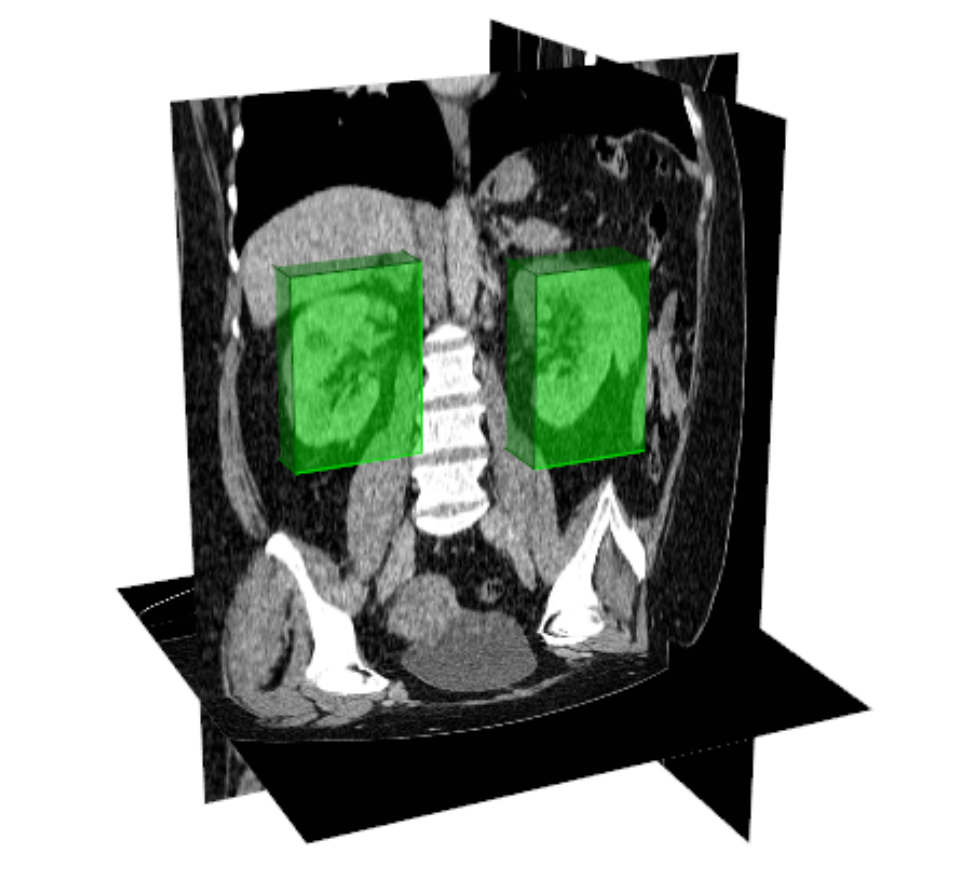
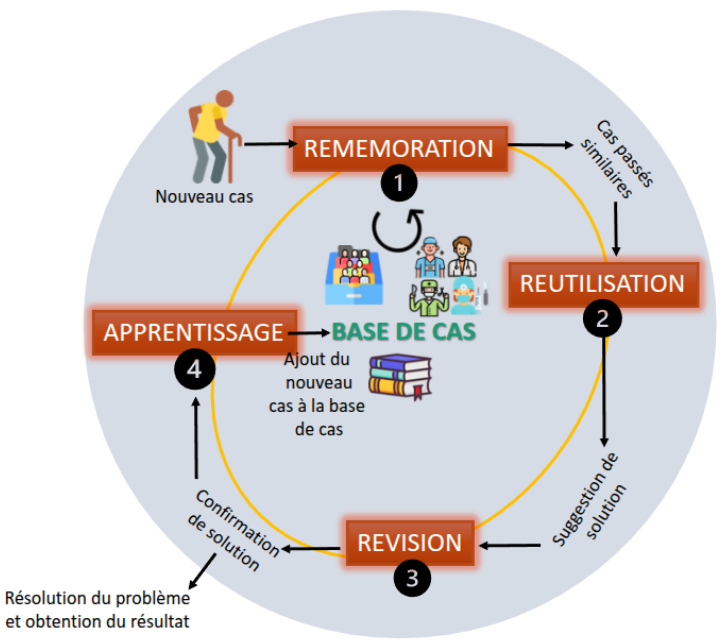
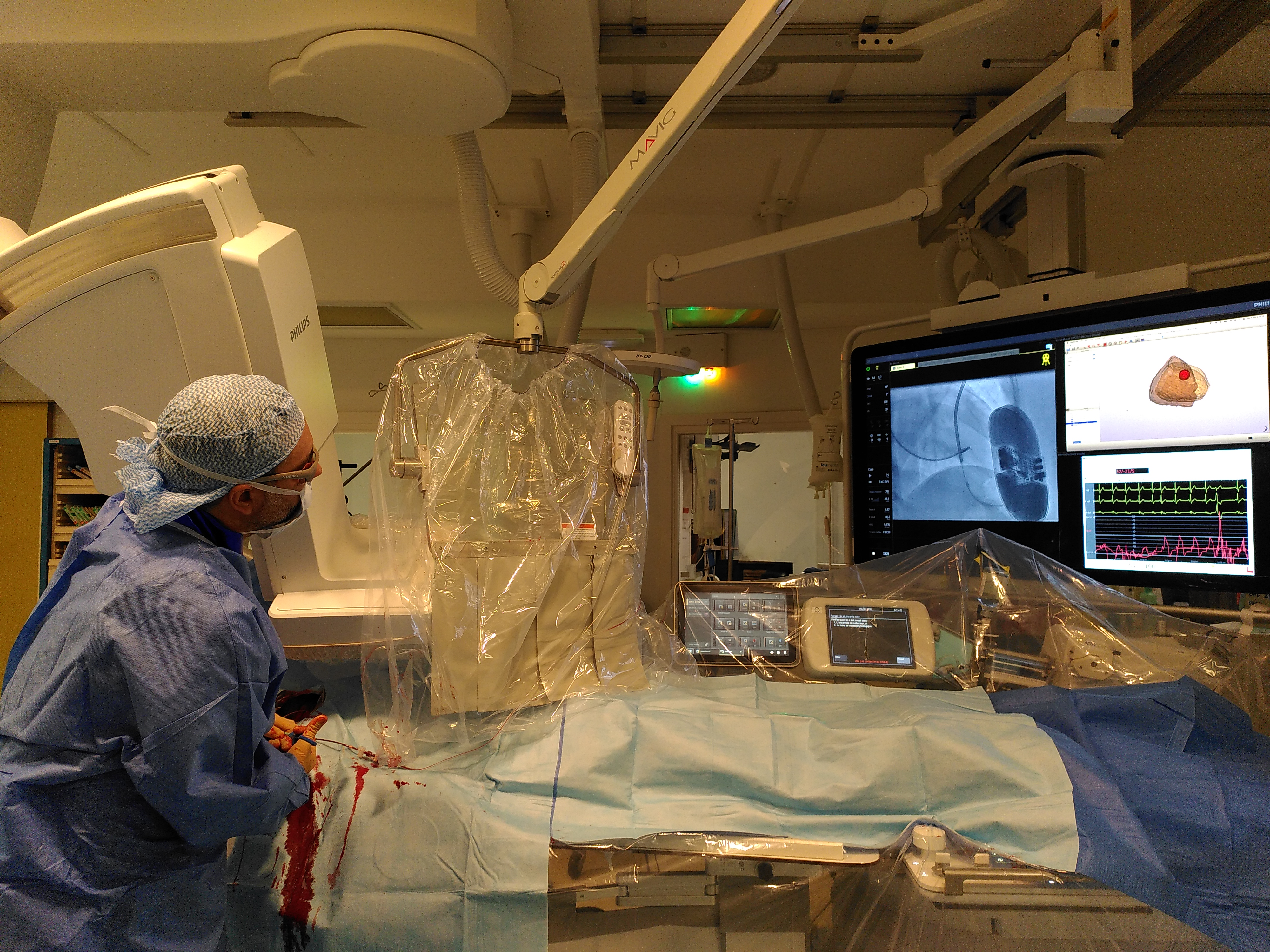
AI for health did not arrive in my practice as a trend — it emerged as an answer to concrete clinical needs. I came to it through regression forests, two years before the deep learning explosion, with Prasad Samarakoon’s thesis: a formative experience that taught me, from the outset, to question the data as much as the algorithms. The REMI project then opened a different field: no longer processing images, but reasoning from heterogeneous clinical cases to support surgical decision-making — a deliberately interpretable approach, designed with practitioners. Finally, the Cardiology project saw the adoption of deep learning for organ segmentation, with the same requirement: robust methods, controlled data, and a clear path towards clinical transfer.
Projects & publications
Publications
- 2025 Roux Margaux,Spear Rafaëlle,Fouard Célineet al. —Retrieving similar cases for clinical decision support in the context of revascularization of lower limbs · *International Journal of Medical Informatics, Vol 201, pp105931*
- 2024 Barone-Rochette Gilles, MD,,Erwan Lecesne, MSc,,Antoine Simon, PhDet al. —New Method CMR-Guided Endomyocardial Biopsy in Suspicion Context of Isolated Cardiac Sarcoidosis · *Circulation: Cardiovascular Imaging, vol 17, no 4*
- 2024 Roux Margaux,Spear Rafaëlle,Haigron Pascalet al. —Toward Decision Support System for Lower Limb Endovascular Revascularization · *2024 46th Annual International Conference of the IEEE Engineering in Medicine and Biology Society*
- 2023 Erwan Lecesne,Antoine Simon,Mireille Garreauet al. —Segmentation of cardiac infarction in delayed-enhancement MRI using probability map and transformers-based neural networks · *Computer Methods and Programs in Biomedicine, vol 242*
- 2023 Lecesne Erwan,Simon Antoine,Garreau Mireilleet al. —Transformers-Based Neural Network for Cardiac Infarction Segmentation in Delayed-Enhancement MRI · *2023 IEEE Twelfth International Conference on Image Processing Theory, Tools and Applications (IPTA)*
- 2023 Spear Rafaëlle,Fouard Céline,Demeure Alexandreet al. —User-centered design for the development of a patient monitoring software for peripheral arterial disease · *Annals of Vascular Surgery*
- 2017 Samarakoon Prasad N,Promayon Emmanuel,Fouard Céline —Light Random Regression Forests for automatic multi-organ localization in CT images · *2017 IEEE 14th International Symposium on Biomedical Imaging (ISBI 2017)*
- 2014 Saramakoon Prasad,Promayon Emmanuel,Fouard Céline —Fully Automatic Organ Localization in Medical Images Using Improved Random Regression Forests · *Proceedings of Surgetica 2014*